October 1, 2026
Choosing the right fence material is an important decision because fencing can affect a property's appearance, privacy, security, and everyday functionality. Different materials offer different characteristics, making it helpful to consider how the fence will be used before selecting one. Wood, vinyl, aluminum, and other options can each serve different property needs depending on the desired appearance and level of maintenance. Homeowners should also consider the property's layout, existing architecture, and the type of boundary they want to establish. A fencing company can help explain the practical differences between available materials and how each option may work for a particular property. Understanding these differences allows homeowners to focus on features that matter most rather than choosing a material based only on appearance. The right selection can create a fence that complements the property while serving its intended purpose. Taking time to compare materials before installation can also help homeowners make a more informed long-term decision.
Comparing Wood Fence Characteristics
Wood remains a popular fencing material because of its traditional appearance and versatility. It can complement many architectural styles and provide a natural look around residential properties. Homeowners can consider different wood designs depending on their preferred level of privacy and overall appearance. Wood can also be used to define property boundaries without making the outdoor space feel overly industrial. However, wooden fencing requires regular care to help protect it from weather exposure and everyday wear. According to Bob Vila, wood fences generally last around 10 to 20 years, while vinyl fencing can remain in service for approximately 20 to 30 years. A fencing company can discuss the maintenance considerations associated with wood before a homeowner chooses this material. When homeowners appreciate a natural appearance and are prepared for ongoing upkeep, wood may be a practical choice for their property.
Considering Vinyl Fence Benefits
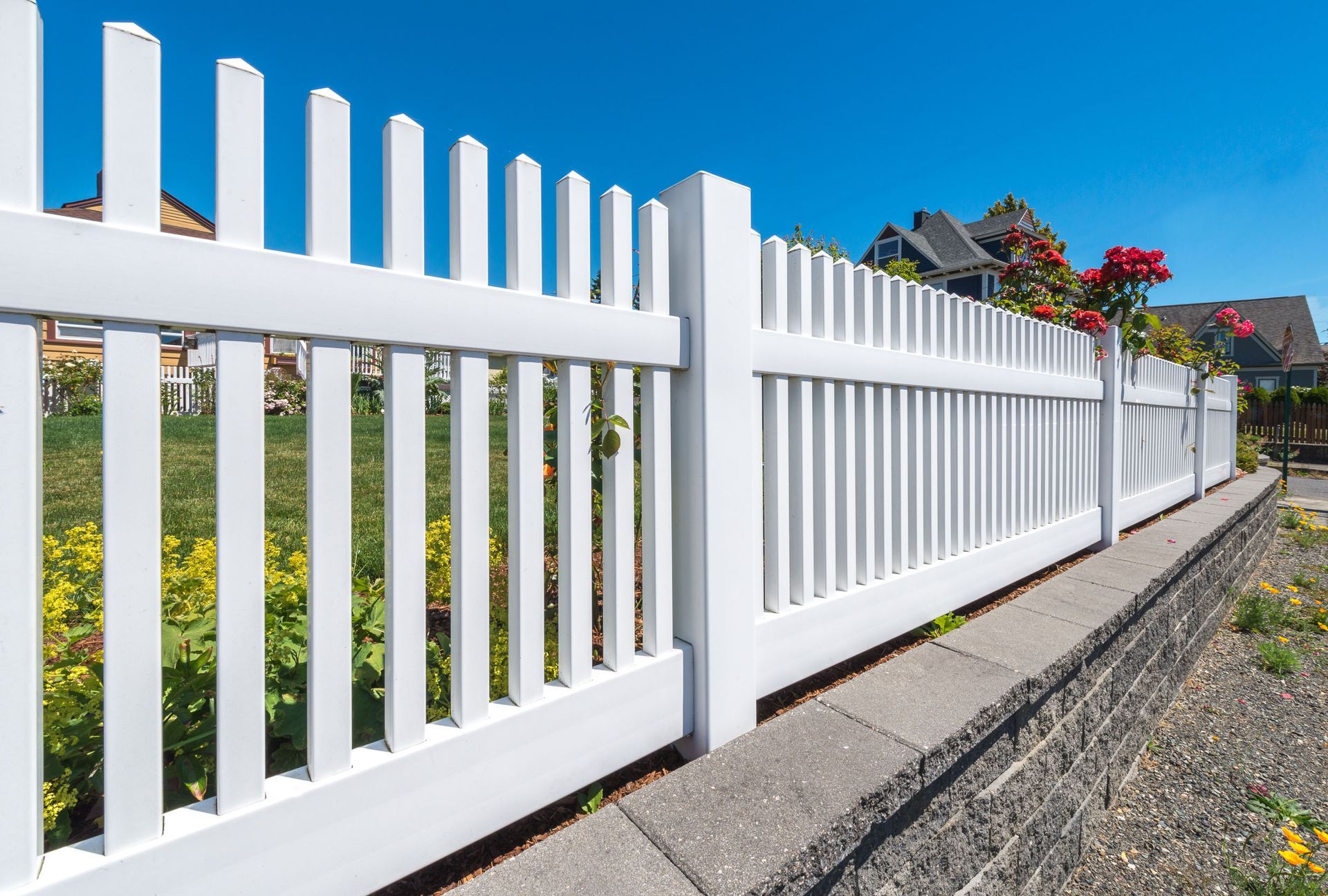
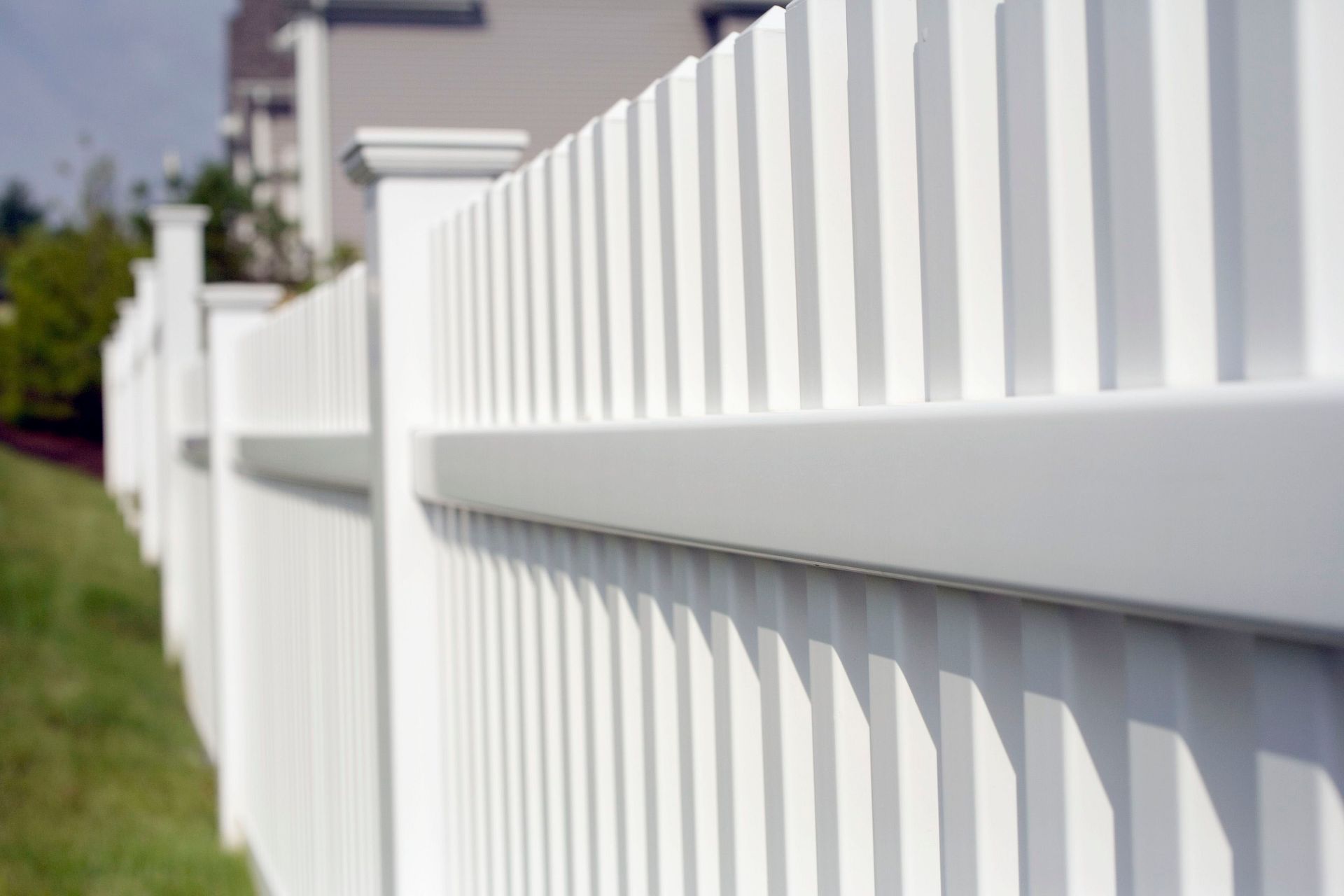
Vinyl fencing offers a different combination of appearance and maintenance considerations. Its clean appearance can work well for homeowners who want a consistent look throughout their property. Vinyl can be used for privacy fencing, boundary applications, and other residential configurations. Many homeowners consider this material because it does not require the same type of routine surface maintenance associated with some wood fences. A fencing company can help homeowners compare vinyl with other materials based on the intended application and desired appearance. Vinyl fencing can also provide a uniform finish that complements many outdoor spaces. Homeowners should still consider the property's layout, climate, and specific fencing requirements before making a selection. For those seeking a low-maintenance material with a clean appearance, vinyl may be worth considering.
Evaluating Aluminum Fence Features
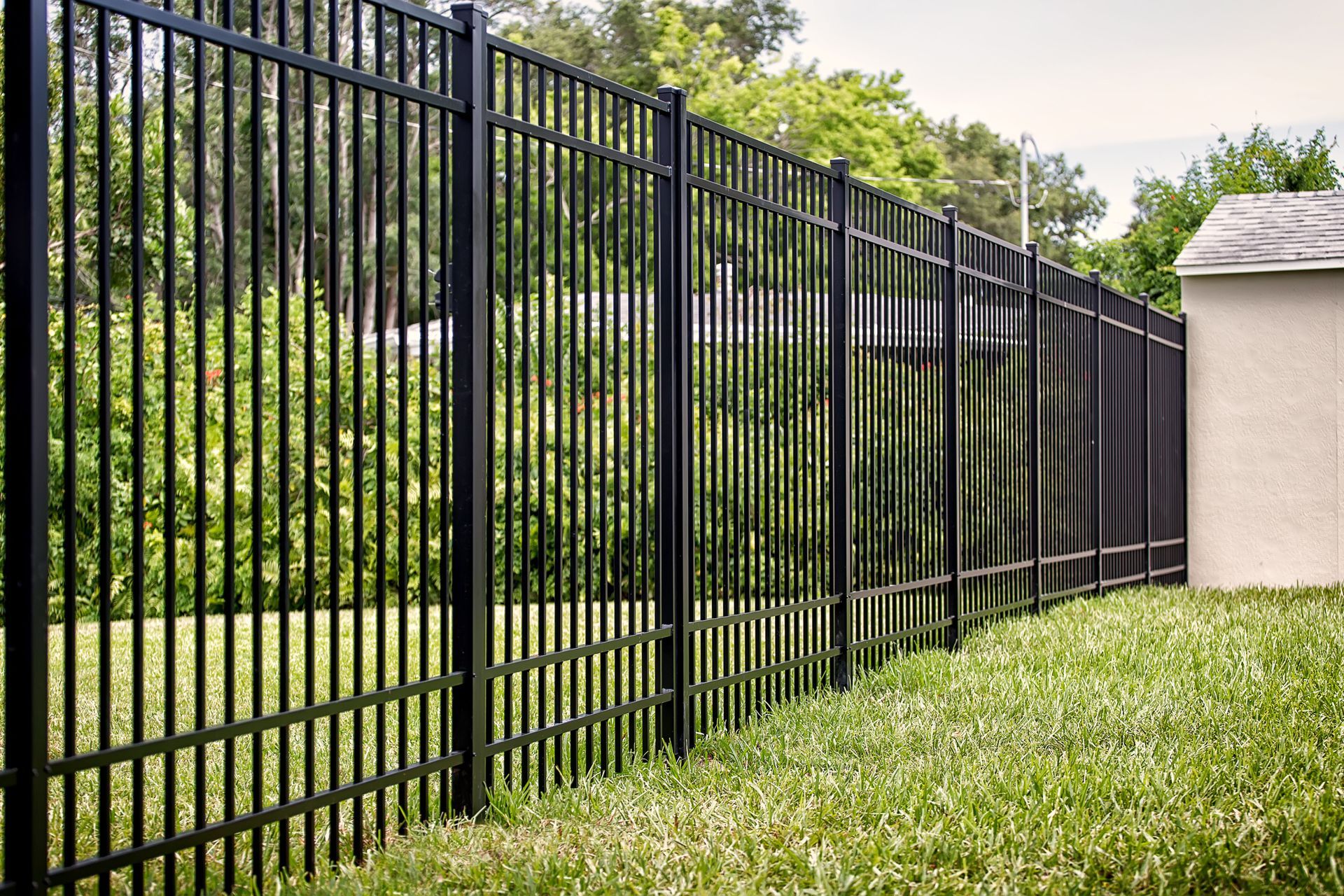
Aluminum fencing can provide an attractive option for properties where visibility and an open appearance are important. Its design can establish a clear boundary while allowing views through much of the enclosed area. This can work well around front yards, landscaped areas, pools, and other spaces where homeowners may not want a completely solid barrier. Aluminum can also complement a range of architectural styles because of its clean and structured appearance. When discussing material options, a fencing company can explain how an aluminum design may fit the property's layout and intended use. Homeowners should consider whether they need privacy, visibility, security, or primarily a decorative boundary. The spacing and configuration of an aluminum fence can influence how the finished installation looks and functions. For properties where an open boundary is desirable, aluminum can offer a combination of structure and visual openness.
Matching Fencing to Privacy Needs
Privacy is often a major consideration when selecting fencing for a residential property. Homeowners may want to create a more secluded backyard, separate outdoor living areas, or reduce direct visibility from surrounding properties. Solid or closely spaced fence designs can provide more visual separation than open styles. Wood and vinyl are commonly considered when privacy is a primary objective because they can be configured to create a more enclosed appearance. A fencing company can help homeowners evaluate which material and design best align with their desired level of privacy. The height and placement of the fence can also influence how effectively it separates the property from surrounding areas. Homeowners should consider where privacy is most important rather than assuming the same fencing style is necessary throughout the entire property. A thoughtful approach can create useful privacy while keeping the fence visually compatible with the home's exterior.
Balancing Maintenance Requirements
Every fencing material has different maintenance considerations, so homeowners should think about how much routine care they are willing to provide. Wood may require periodic staining, sealing, or other maintenance to help protect its appearance and condition. Vinyl generally requires less routine surface maintenance, although it can still benefit from occasional cleaning and inspection. Aluminum can also be relatively straightforward to maintain, but homeowners should periodically examine the fence for damage or loose components. A fencing company can explain the general care requirements associated with the materials being considered. Maintenance should also account for the property's surroundings, including exposure to moisture, vegetation, sunlight, and everyday activity. Understanding these responsibilities before installation can help homeowners choose a material that fits their expectations. Selecting fencing that aligns with the homeowner's preferred maintenance routine can make long-term ownership more manageable.
Considering Property Appearance
A fence can become a noticeable part of a property's exterior, making its appearance an important consideration during material selection. Homeowners may want the fence to complement the colors, architectural style, landscaping, and overall character of the property. Wood can create a warm and traditional appearance, while vinyl can provide a clean and consistent look. Aluminum can offer a more open and structured appearance that works well with certain architectural and landscaping styles. A fencing company can help homeowners consider how different materials and designs may look within the property's existing surroundings. Fence height, spacing, color, and configuration can all affect the final appearance. Homeowners should consider the fence as part of the overall exterior rather than viewing it as an isolated feature. Coordinating the material and design with the surrounding property can create a more cohesive finished result.
Weighing Function and Durability
The purpose of a fence should play a central role in deciding which material is most appropriate. A fence intended primarily for privacy may require different characteristics than one used mainly for decorative boundaries or visibility. Families with pets may also have different considerations than homeowners seeking to define a landscaped area. Durability is another factor because fences remain exposed to outdoor conditions throughout the year. A fencing company can help homeowners consider how the intended function of the fence relates to the characteristics of each material. Homeowners should also think about how frequently the fence will be used, whether gates are needed, and where access points should be located. Evaluating these factors together can help prevent a homeowner from selecting a material that looks appealing but does not suit the property's practical requirements. A fence that matches both the property's needs and the owner's expectations can provide more useful performance over time.
Wood can provide a natural and traditional appearance, while vinyl may appeal to homeowners seeking a consistent and lower-maintenance option. Aluminum can be useful when visibility and an open design are important considerations. The best material for one property may not be the same choice another homeowner needs, which is why evaluating individual requirements is so important. Careful planning can also help ensure that the fence works with existing landscaping, architecture, access points, and outdoor spaces. Elite Custom Fencing can help property owners explore fencing options and plan a solution based on their property's needs, preferred appearance, and intended use.