April 16, 2026
Choosing the right materials for your outdoor living space is one of the most significant investments you'll make in your home. It isn't just about picking a color that looks nice against your siding or finding a price point that fits this month’s budget. It's about understanding how your deck will weather the elements, how much time you're willing to spend on its upkeep, and how long you want that structure to stand. Many homeowners jump into the process without a clear roadmap, leading to avoidable errors that can cost thousands of dollars down the road.
When you work with professional deck builders, you get the benefit of their experience, but it helps to walk into that first consultation with a solid grasp of the common pitfalls. Whether you're dreaming of a sprawling multi-level entertainment hub or a cozy nook for your morning coffee, avoiding these material-based mistakes will ensure your backyard remains a sanctuary rather than a source of stress, providing lasting value and unparalleled peace of mind for your family throughout every passing season.
1. Ignoring the Long-Term Maintenance Requirements
One of the most frequent errors homeowners make is focusing solely on the initial aesthetic appeal of a material without considering the work required to keep it looking that way. Natural wood possesses a timeless beauty that is hard to replicate, but it demands a rigorous schedule of cleaning, sanding, staining, and sealing. If you choose pressure-treated lumber because of its lower upfront cost but lack the time or physical ability to maintain it every two years, your deck will quickly become an eyesore.
On the other hand, composite materials offer a "set it and forget it" lifestyle that appeals to busy families. Many people fail to realize that skipping maintenance on a wood deck does more than just hurt its looks; it leads to structural rot and safety hazards. Professional deck builders often see beautiful wood structures fall into disrepair simply because the homeowner underestimated the commitment involved. Before you sign off on a material, be honest with yourself about how many weekends you want to spend with a power washer and a paintbrush.
2. Underestimating the Total Lifecycle Costs
It's easy to get sticker shock when comparing the price per square foot of premium hardwoods or high-end composites to standard pressure-treated pine. However, focusing only on the "buy-in" price is a mistake that overlooks the true cost of ownership. While wood is cheaper at the checkout counter, the recurring costs of stains, sealers, and eventual board replacements add up significantly over a decade. According to HomeGuide, while a traditional wood deck usually has a lifespan of 10 to 25 years, a deck made from composite materials can endure for 25 to 50 years.
When you spread the cost of the project over the actual lifespan of the structure, the more expensive materials often prove to be the more economical choice. Experienced deck builders can provide a cost-benefit analysis that reflects these long-term savings. Choosing a cheaper material might save you money this year, but if you have to rebuild the entire project in fifteen years, you haven't actually saved anything at all. Investing in quality from the start ensures that your money is working for you over several decades.
3. Overlooking the Impact of Local Climate
Your backyard is an ecosystem, and the material you choose must be able to survive the specific conditions of your region. Homeowners often make the mistake of choosing a material they saw in a magazine or a house in a completely different climate. If your yard is heavily shaded and prone to moisture, certain types of wood may be highly susceptible to mold and mildew. Conversely, if your deck will be in direct, blistering sunlight all day, some darker composite boards can become uncomfortably hot to the touch for bare feet and pets.
You must consider how the material reacts to temperature fluctuations and humidity levels. Skilled deck builders know which materials hold up best against local weather patterns and can advise you on heat-reflective technology or moisture-resistant subterranean framing. Failing to account for the sun, rain, and snow specific to your zip code will lead to warped boards, faded colors, and a deck that feels uncomfortable to use during the peak of the season.
4. Forgetting the Importance of Structural Compatibility
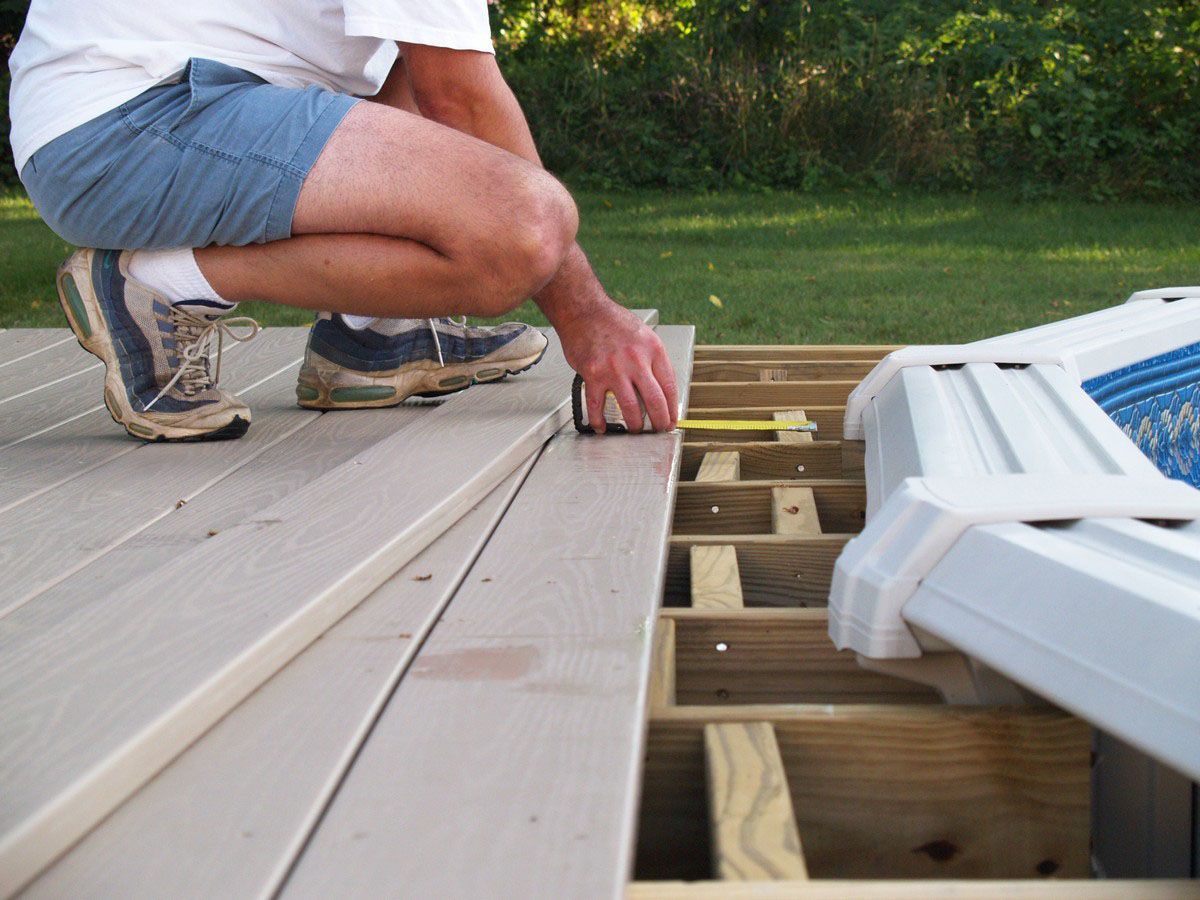
A deck is only as good as the frame it sits on, yet many homeowners focus all their attention on the surface boards and ignore the skeleton underneath. A common mistake is choosing heavy, premium surface materials like Ipe or thick composite and trying to install them on an aging or undersized wooden frame. The weight of these high-end materials requires specific joist spacing and structural integrity that standard lumber might not provide.
If the frame isn't matched to the weight and expansion characteristics of the decking, you'll experience sagging, bouncing, and eventual structural failure. This is why consulting with expert deck builders is so vital during the planning phase. They ensure that the substructure is engineered to support the specific decking material you've selected. Mixing and matching materials without understanding their physical properties is a recipe for a deck that feels unstable and looks uneven within just a few years of installation.
5. Neglecting the Aesthetics of Architectural Harmony
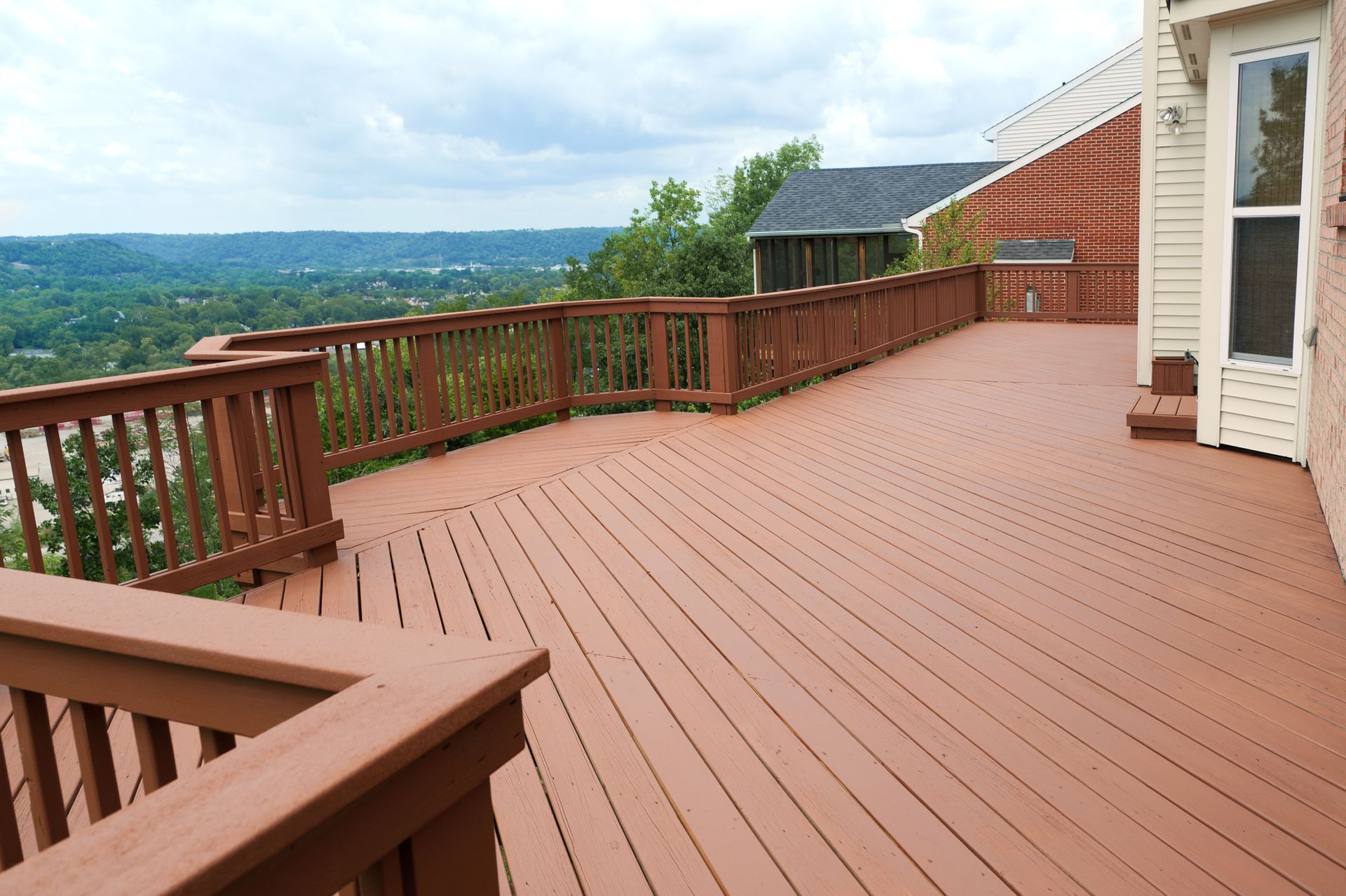
While functionality and durability are paramount, your deck should also look like it belongs to your home rather than being an awkward afterthought. Homeowners often fall in love with a specific material or color in a showroom without considering how it'll clash with their home’s existing architecture and color palette. An ultra-modern grey composite deck might look jarring against a rustic, traditional brick home. Likewise, a rugged cedar deck might feel out of place against a sleek, contemporary glass-heavy residence.
You want the transition from your indoor living space to your outdoor area to feel seamless. Most professional deck builders recommend bringing samples to your house and holding them up against your siding and trim at different times of the day. Lighting changes how colors appear, and what looked like a perfect match in the store might look completely different under the midday sun. Taking the time to ensure architectural harmony will significantly increase your home’s curb appeal and overall resale value.
Building a deck is an exciting journey that transforms how you interact with your home and the outdoors. By avoiding these common mistakes, ranging from maintenance oversights to climate mismatches, you set yourself up for a successful project that will provide joy for many years. The goal is to create a space that balances beauty, budget, and longevity. While the array of choices in the modern market can feel overwhelming, taking a measured approach and considering the long-term implications of your materials will lead to a much better outcome.
Remember that your deck is an extension of your life and your home’s story. It's a place where memories are made, and those memories shouldn't be overshadowed by the stress of poor material choices. When you're ready to turn your vision into a reality, Elite Custom Fencing is here to help you navigate every decision with professional expertise, ensuring your investment remains protected, beautiful, and functional for your family to enjoy throughout every season. Contact our expert deck builders today to schedule your consultation.